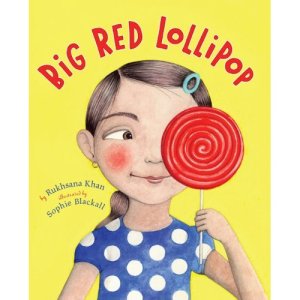
Big Red Lollipop by Rukhsana Khan
Earlier this year, I listened to both Bryan Collier and Andrea Davis Pinkney talk about the impact The Snowy Day had on them as young readers. For both, The Snowy Day was the first time they saw a little black child who looked like them featured in a picture book. The Snowy Day was a mirror, finally, and they saw themselves on the page as Peter reveled in the snow and explored his winter white neighborhood.
The lack of diversity in children’s books, both in representation and by picture book creators impacts the stories that are published, and more often, the stories that aren’t being published, the voices that aren’t being heard. It’s important for children to see themselves on the page, and in this big world we live in, it’s also important for children to read stories about characters and people who look different and whose life is different than your own. Big Red Lollipop, published in 2010 by Viking Children’s Books, is a multi-cultural story about two sisters, Rubina and Sana, and some of the hurdles and social awkwardness of being children of immigrant parents.
Rubina is invited to a birthday party. Her mother doesn’t understand what a birthday party is, and doesn’t see an issue with Rubina’s little sister, Sana, tagging along.
This seemingly simple story by Rukhsana Khan brings much more depth. Readers can identify with the annoying younger sibling, the burden of being the oldest and most responsible, and following parent’s orders, especially when you don’t want to. That’s all present on the surface. Deeper into the story, young readers are able to understand and encouraged to ask about cultural differences and similarities.
Sophie Blackall illustrates the mother, Ami, in more traditional clothing, while Rubina and Sana wear more western style clothing. Similar to how important it was for Bryan Collier and Andrea Davis Pinkney to finally see themselves in a picture book, I imagine for middle-eastern children, how reassuring it might be to see a family similar to yours on the page. And for children who don’t have immigrant parents, this book is a lovely introduction to both Rubina and Sana, whose trials are easily understandable no matter your background or culture. Pakistani-Canadian author, Rukhsana Khan, has a wealth of information about teaching and sharing this story on her official website. This story is about her own life and her own experience tormenting her older sister, told and illustrated in a lovely way.
You can find a copy at your local bookstore, Powell’s, or your local library.

 Sit-In: How Four Friends Stood Up By Sitting Down by Andrea Davis Pinkney and illustrated by Brian Pinkney is a wonderful book to teach children about the Civil Rights Movement and the work of young African American students as they fought against the injustice of segregation. The illustrations are vibrant and energetic, filled with the hope and energy of the students standing up for their rights by sitting down.
 I recently read Sarah Glidden’s nonfiction comic, Rolling Blackouts, published by Drawn & Quarterly in 2016, and it is one my favorite books this year. Glidden travelled through Turkey, Iraq, and Syria in 2011 along with two friends, reporters who had founded a journalism non-profit, and a Marine Iraqi War Veteran. Glidden documented their experience in beautiful watercolors and inked cartoon panels. The topics that Rolling Blackouts explores covers everything from the middle east refugee crisis, the rebuilding or lack of rebuilding in middle eastern cities, the difficulties immigrants and refugees have experienced from their displacement, as well as how journalism and reporting fits in with all of it. Glidden’s traveling companions and journalists are as much her subjects as the Iraqi refugees they meet in their travels. What I thought was unique about Rolling Blackouts was the documentation of the journalist experience— what kind of story her companions were hoping to find, what kind of experience they had, and how that informed their perspective and either the stories they told or hoped to tell.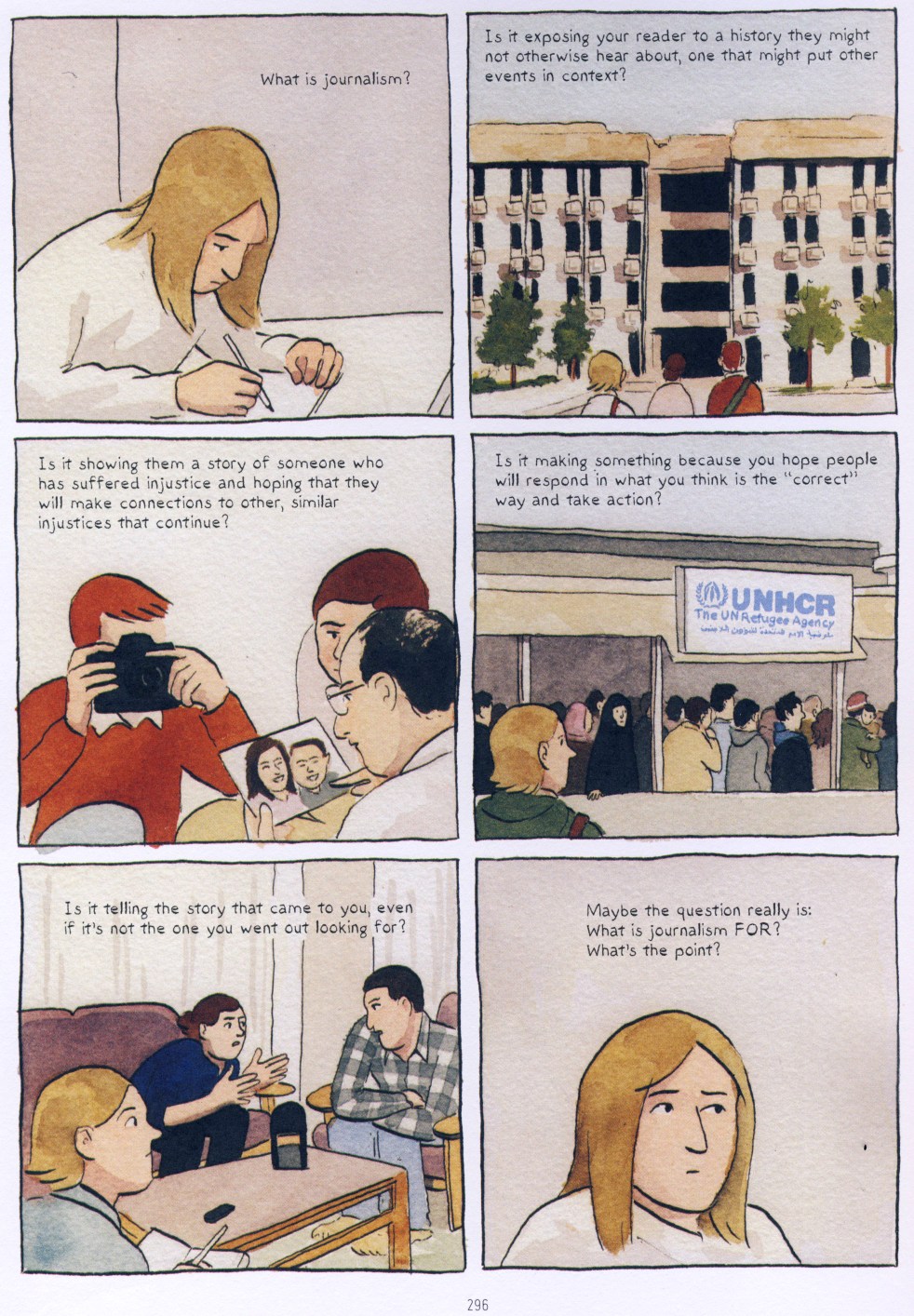

 James Thurber’s The Tiger Who Would be King was originally published in The New Yorker in 1927. Nearly a century later, the fable was illustrated by JooHee Yoon and published by independent publisher, Enchanted Lion Books, as a picture book in 2015.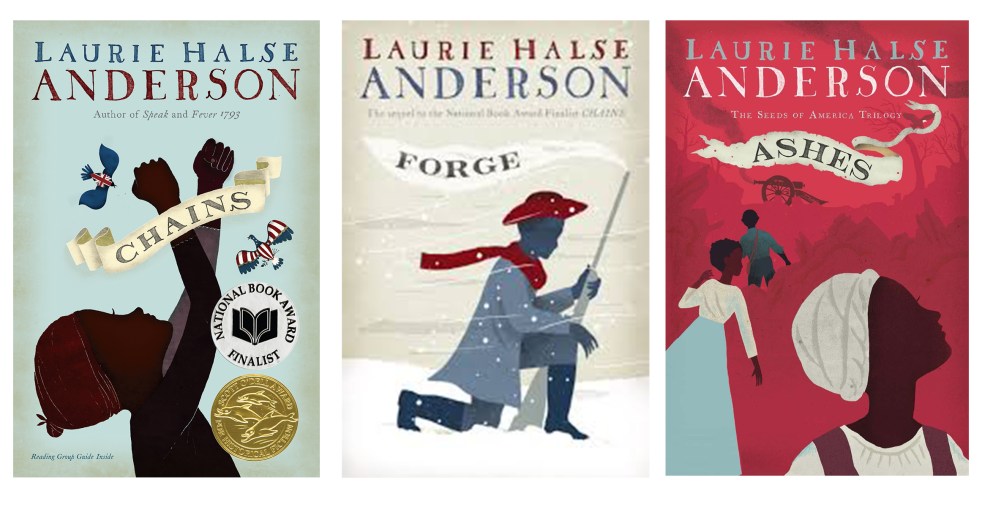
 I read Elizabeth Kolbert’s The Sixth Extinction: an Unnatural History in June of 2014, and I think about it more often than any other book I’ve read in the last two years. The Sixth Extinction explores the five mass extinctions in earth’s history, and the man-made sixth extinction currently underway.

 The Empathy Bookclub