MARCH by John Lewis, Andrew Aydin, and Nate Powell

I talked about this graphic novel series everywhere else on social media and in person, I can’t believe I didn’t share it here! I was so surprised and embarrassed that I forgot to include it on this page. MARCH is a powerful graphic novel trilogy by civil rights leader and Georgia Senator, John Lewis. Lewis shares his story and his involvement with SNCC (Student Nonviolent Coordinating Committee) from training for nonviolent protests to integrating public spaces with sit-ins, to the Montgomery bus boycott, the Selma march, and the push to register black voters in the south.
The series is autobiographical, and reminds and educates readers about the fight and struggle to obtain not only equal rights, but a seat at the table. As a primary source, the emotion and experience of the civil rights movement captured in this series is immediate and powerful. The hatred experienced and loss shared in MARCH is a harsh reminder of the physical and murderous assaults that were met with nonviolence and peaceful protests.
The images, line work, and cartooning by Nate Powell are absolutely wonderful. The graphics are powerful, and add to the emotion and tone of this necessary story. Graphic novels and comics are excellent resources for readers, and that this story is told in this medium means that MARCH can and will find an even wider audience than a traditional autobiography.
There’s a beautiful thread throughout each book that jumps forward to the inauguration of former President Barack Obama— juxtaposing the legacy of John Lewis and the civil rights movement with Barack Obama’s presidency, a symbol of hope and healing for a nation with such an abusive racial past.
In the current political climate, and the many reports of emboldened discrimination, the rise of white supremacy, and local terrorism, MARCH is a heartbreaking reminder of the discipline and dedication needed for nonviolence resistance. John Lewis’ life work is an example of the perseverance and sacrifice necessary to fight and demand equality for the continually oppressed.
You can find a copy at your local bookstore, Powell’s, and your local library.
 Sit-In: How Four Friends Stood Up By Sitting Down by Andrea Davis Pinkney and illustrated by Brian Pinkney is a wonderful book to teach children about the Civil Rights Movement and the work of young African American students as they fought against the injustice of segregation. The illustrations are vibrant and energetic, filled with the hope and energy of the students standing up for their rights by sitting down.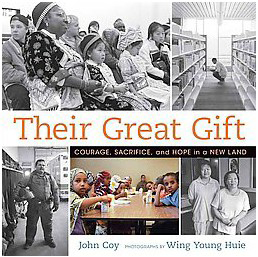
 I recently read Sarah Glidden’s nonfiction comic, Rolling Blackouts, published by Drawn & Quarterly in 2016, and it is one my favorite books this year. Glidden travelled through Turkey, Iraq, and Syria in 2011 along with two friends, reporters who had founded a journalism non-profit, and a Marine Iraqi War Veteran. Glidden documented their experience in beautiful watercolors and inked cartoon panels. The topics that Rolling Blackouts explores covers everything from the middle east refugee crisis, the rebuilding or lack of rebuilding in middle eastern cities, the difficulties immigrants and refugees have experienced from their displacement, as well as how journalism and reporting fits in with all of it. Glidden’s traveling companions and journalists are as much her subjects as the Iraqi refugees they meet in their travels. What I thought was unique about Rolling Blackouts was the documentation of the journalist experience— what kind of story her companions were hoping to find, what kind of experience they had, and how that informed their perspective and either the stories they told or hoped to tell.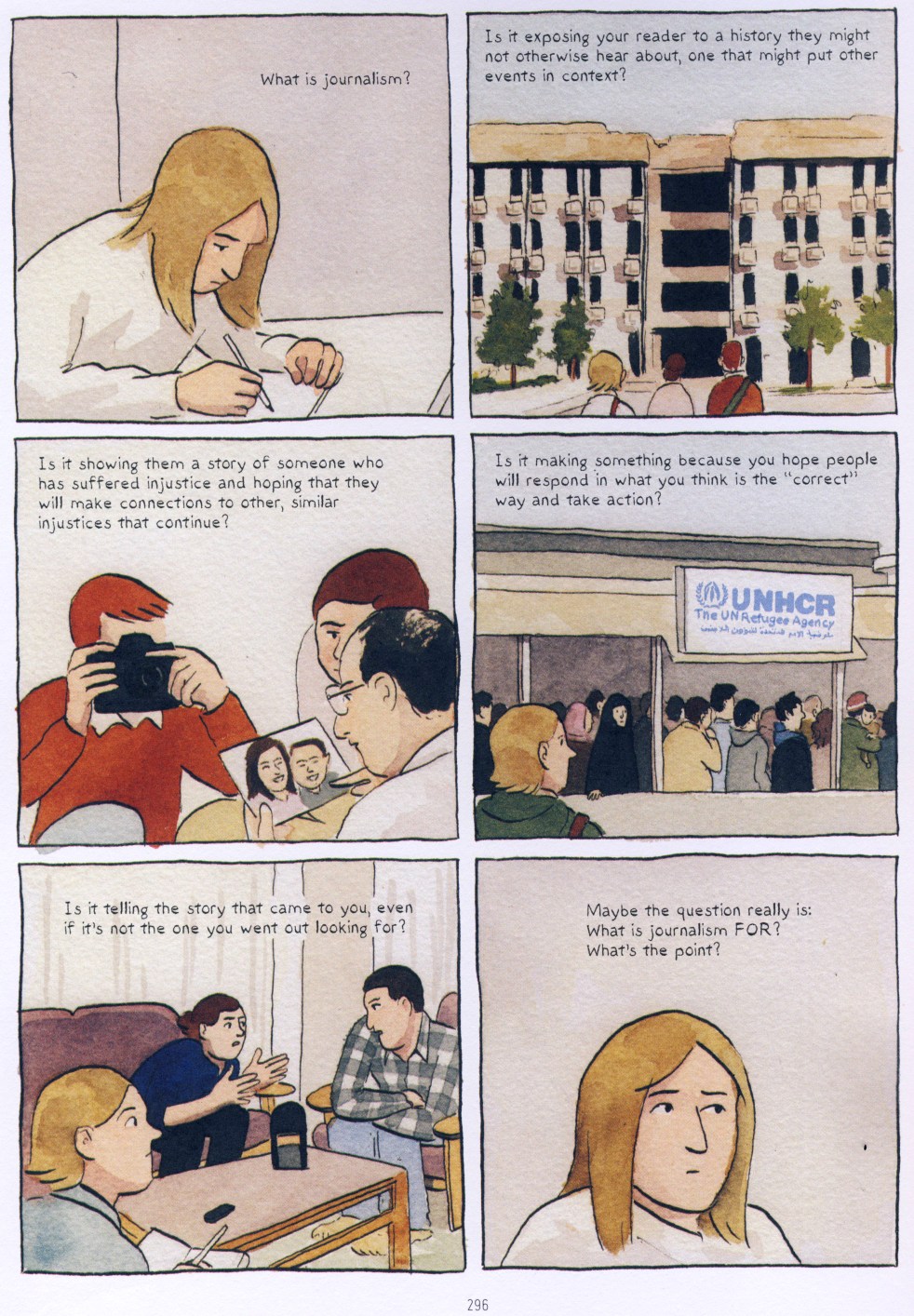

 I read Elizabeth Kolbert’s The Sixth Extinction: an Unnatural History in June of 2014, and I think about it more often than any other book I’ve read in the last two years. The Sixth Extinction explores the five mass extinctions in earth’s history, and the man-made sixth extinction currently underway.
 The Empathy Bookclub